Business
SEO vs AEO vs GEO: What Business Owners Need to Know in 2026
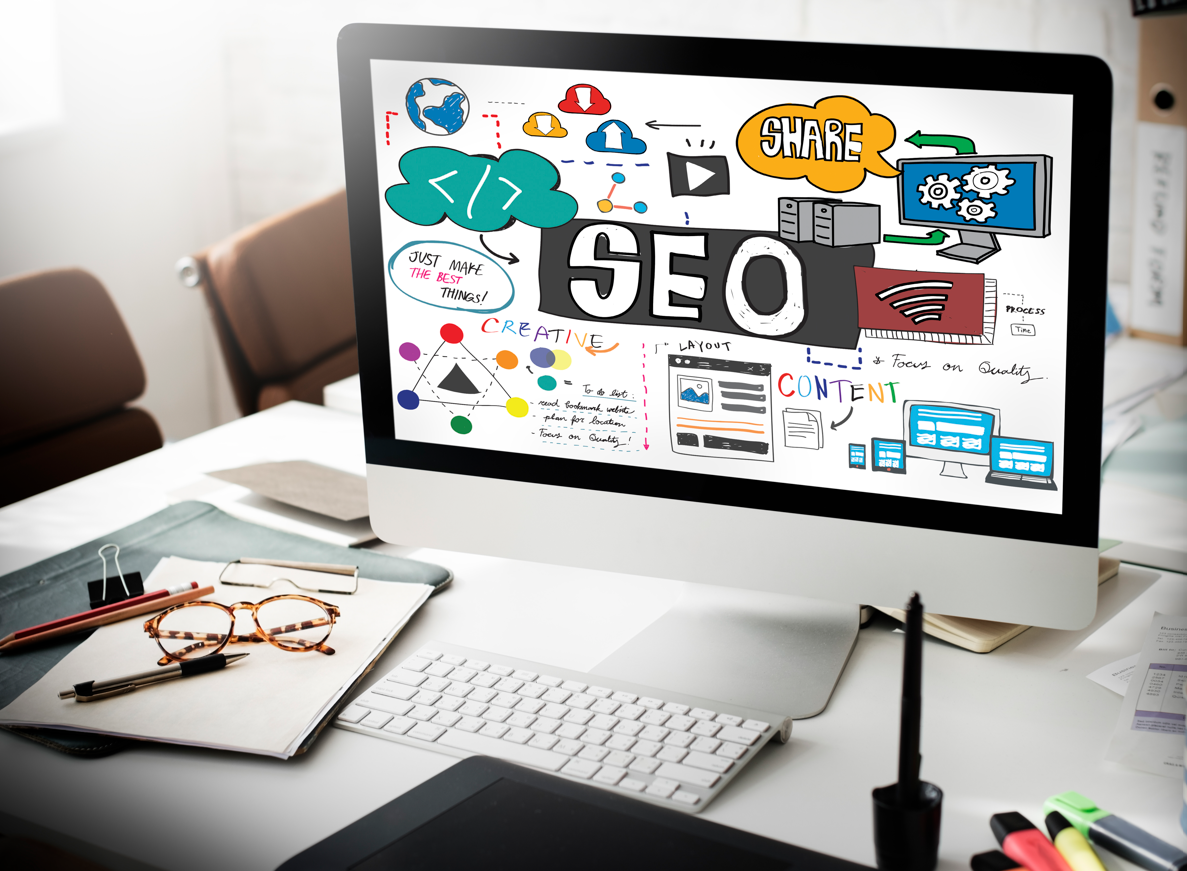
Search is evolving. Customers no longer rely exclusively on traditional search engine results to discover businesses, compare products, and make purchasing decisions. They also use AI-powered search experiences, conversational assistants, and answer engines to find information and recommendations.
For business owners, understanding SEO vs AEO vs GEO is essential to building a digital presence that can be discovered through traditional search and emerging AI-powered experiences.
SEO (Search Engine Optimization) helps improve a website's visibility in search engine results. AEO (Answer Engine Optimization) focuses on making content useful for direct answers, while GEO (Generative Engine Optimization) focuses on improving the chances that content will be retrieved, referenced, or cited in AI-generated responses.
Although these approaches have different emphases, they share a common foundation: useful content, technical accessibility, clear information, and credibility.
What Is the Difference Between SEO, AEO, and GEO?
SEO, AEO, and GEO are related digital visibility strategies, but they focus on different ways people discover information online.
The main difference is how each approach frames content discovery. SEO focuses on discoverability in search engines, AEO emphasizes answer-ready information, and GEO emphasizes visibility in generative AI experiences.
These strategies overlap significantly. Google explains that its AI search experiences continue to rely on established SEO fundamentals, including helpful content, crawlability, and clear website structure. Read Google's official guide to optimizing for generative AI features for more details.
1. What Is SEO (Search Engine Optimization)?
Search Engine Optimization is the process of improving a website so search engines can discover, understand, and present its pages to people searching for relevant information.
SEO helps businesses attract potential customers through unpaid search results. It includes keyword research, on-page optimization, technical SEO, internal linking, content development, and earning relevant backlinks.
How SEO Works
An effective SEO strategy typically includes:
- Keyword research: Identify the search terms and questions your target audience uses.
- On-page SEO: Optimize page titles, headings, meta descriptions, URLs, and relevant content.
- Technical SEO: Help search engines crawl, render, and index important pages.
- Internal linking: Connect related pages using descriptive anchor text.
- Content quality: Publish accurate, useful, and original information that satisfies search intent.
- Authority and reputation: Build credibility through valuable resources and relevant third-party references.
For example, a domain business could publish an article targeting “three-letter domain names for sale” to reach entrepreneurs looking for short, memorable website addresses.
Businesses can also learn from Google's SEO Starter Guide, which explains foundational practices for making websites search-friendly.
Why SEO Still Matters in 2026
SEO remains the foundation of a sustainable online visibility strategy. Search engines need to discover and understand website content before it can be considered for relevant search experiences.
For business owners, SEO can support brand discovery, qualified organic traffic, and long-term content visibility. It also provides a foundation for AEO and GEO because AI-powered search experiences may retrieve and use information from accessible, relevant web pages.
To strengthen your website's SEO, focus on helpful content, a logical site structure, relevant internal links, and a technically sound user experience.
2. What Is AEO (Answer Engine Optimization)?
Answer Engine Optimization is the practice of structuring and improving content so it can effectively answer specific user questions.
Rather than focusing exclusively on ranking a page for a broad keyword, AEO emphasizes providing clear, direct, and contextually complete answers that can be understood by both people and answer-oriented search systems.
AEO is relevant to featured snippets, voice-assisted searches, conversational search, and AI-powered tools that respond to questions. However, optimizing content does not guarantee that it will be selected as an answer.
How AEO Works
AEO starts with understanding the questions your audience asks and answering them accurately.
Effective practices include:
- Answer questions directly: Place a concise answer near the beginning of the relevant section.
- Use question-based headings: Address queries such as “What is AEO?” or “How does GEO differ from SEO?”
- Provide supporting context: Explain the reasoning, exceptions, and practical implications behind the answer.
- Use structured formatting: Add descriptive headings, lists, tables, and FAQs when they help readers.
- Maintain factual accuracy: Support important claims with trustworthy references and relevant evidence.
- Use appropriate structured data: Ensure markup accurately reflects visible page content and follows applicable guidelines.
For example, an article could answer “Does a domain extension affect SEO?” with a direct explanation before discussing branding, technical SEO, and other ranking considerations.
For further reading, consult Google's documentation on AI features in Search.
Why AEO Matters for Business Owners
Potential customers often ask specific questions before making a decision. Businesses that answer those questions clearly can provide a better user experience and create useful entry points to their products or services.
For example, a founder researching domain options may ask which extension to choose, whether a premium domain is worth the investment, or how to select a memorable business name.
AEO encourages businesses to address these questions with specific, informative answers rather than relying on broad promotional language.
3. What Is GEO (Generative Engine Optimization)?
Generative Engine Optimization is the practice of improving content so it has a better opportunity to be discovered, retrieved, referenced, or cited in responses produced by generative AI systems.
These systems may synthesize information from multiple sources to answer questions, explain concepts, compare products, or recommend next steps.
GEO focuses on helping content communicate its meaning clearly and establish credibility through accurate information, relevant context, original insights, and reliable supporting evidence.
How GEO Works
Generative AI experiences may retrieve information from web sources and combine relevant details into a synthesized response. The exact retrieval and citation process varies by platform.
Businesses can improve their content's usefulness and discoverability by applying the following practices:
- Publish original insights: Include expert commentary, first-hand experience, research, examples, or analysis that adds value beyond existing articles.
- Explain entities clearly: Identify businesses, products, services, industries, and concepts consistently.
- Support factual claims: Reference authoritative sources for statistics, technical explanations, and other claims that require evidence.
- Use descriptive headings: Organize information around meaningful topics and questions.
- Connect related resources: Use relevant internal links to help readers and crawlers discover supporting information.
- Maintain accurate information: Update outdated details and correct factual errors.
- Build genuine authority: Earn relevant mentions and links by publishing resources worth referencing.
Google's guide to generative AI optimization emphasizes unique, valuable content and established SEO fundamentals rather than special tricks designed exclusively for AI systems.
Why GEO Matters in 2026
As more people use generative AI tools to research businesses and compare options, visibility may increasingly involve being referenced within an AI-generated response as well as appearing in conventional search results.
For example, a business publishing a detailed, evidence-based guide to domain extensions may provide useful information for someone asking an AI assistant how to choose a domain for a new company.
However, appearing in an AI-generated answer is not guaranteed. Each platform uses its own systems, and the sources selected can vary depending on the question, context, and available information.
The practical goal of GEO is to make your content genuinely useful, credible, accessible, and easy to understand.
SEO vs AEO vs GEO: Which Strategy Should Your Business Prioritize?
The most effective approach is to integrate SEO, AEO, and GEO instead of treating them as three unrelated strategies.
For small businesses, start with the fundamentals. Make sure your website can be crawled and indexed, identify your audience's most important questions, and create useful pages that answer them.
Then improve the content with descriptive headings, contextual internal links, credible external references, and appropriate structured data.
Avoid publishing large volumes of repetitive content simply to target more keywords or AI prompts. Google's guidance emphasizes content that provides meaningful value to users.
How to Optimize Your Website for SEO, AEO, and GEO in 2026
Businesses do not necessarily need separate content strategies for traditional search and AI discovery. In many cases, a well-planned content strategy can support all three.
1. Create Helpful, Search-Focused Content
Start by identifying the problems your target audience wants to solve. Use keyword research, customer questions, competitor analysis, and search results to identify relevant topics.
Develop content that addresses those needs thoroughly and offers something useful beyond a generic summary.
For example, a company serving startups could create guides about choosing a business name, selecting a domain extension, and building a recognizable online identity.
Explore My.inc's curated premium domain name lists for an example of content addressing domain discovery and business branding.
2. Answer Questions Clearly
Structure important sections around specific questions and provide a concise answer before expanding on the topic.
For example:
Question: Does choosing a .inc domain automatically improve SEO?
No. Choosing a .inc domain does not automatically improve search rankings or guarantee AI citations. Search visibility depends on a range of factors, including content relevance, technical accessibility, site quality, and how well a page satisfies the user's needs.
This approach gives readers a direct answer while providing useful context for more detailed exploration.
3. Build Relevant Internal Links
Internal links connect related pages within your own website. They help visitors discover supporting information and can help search engines understand your site's structure and the relationships between its pages.
Use descriptive anchor text that tells readers what they will find when they click.
For example, a business website discussing brand identity could link to how your domain name influences business branding.
An article about choosing a website address could also reference what to do when your preferred .com domain is taken.
Keep internal links relevant to the surrounding paragraph. Avoid adding links simply to increase their number.
4. Cite Credible External Sources
External links to authoritative resources can help readers verify important claims and explore topics in more detail.
For SEO, AEO, and GEO content, useful sources include official search engine documentation, standards organizations, research publications, and original industry studies.
For example, reference Google's official guidance on AI search features when explaining how AI Overviews and AI Mode relate to established SEO practices.
External citations should support specific statements. They should not be treated as a guarantee of better rankings or AI citations.
5. Use Structured Data Correctly
Structured data helps search engines interpret information about a page and can make eligible pages qualify for supported search features.
For relevant articles, consider appropriate Article or BlogPosting markup and BreadcrumbList markup when applicable. Ensure the markup matches the information visible on the page.
Structured data is not a guaranteed shortcut to AI visibility, and Google does not require special schema markup specifically for inclusion in AI Overviews or AI Mode.
Refer to Google's structured data documentation for implementation guidance.
6. Measure Results and Improve Content
Monitor your organic search performance, indexing status, and technical issues using tools such as Google Search Console.
Review which pages attract relevant visitors, which questions remain unanswered, and which content needs updating.
Where possible, also monitor referrals and qualified traffic from AI platforms. Third-party AI visibility tools can provide additional observations, but their coverage and citation data may not represent every AI response.
Use the findings to improve content quality and usefulness rather than chasing visibility metrics alone.
Frequently Asked Questions About SEO vs AEO vs GEO
Is SEO still important in 2026?
Yes. SEO remains important because search engines need to discover, crawl, and understand web content. Established SEO fundamentals also support visibility in Google's AI-powered search experiences.
What is the main difference between AEO and GEO?
AEO emphasizes making content suitable for answering specific questions directly. GEO emphasizes improving the likelihood that useful content will be retrieved, referenced, or cited in generative AI responses. Their techniques overlap, and neither guarantees inclusion in a particular answer.
Can SEO, AEO, and GEO be used together?
Yes. A business can use keyword research and technical SEO to improve discoverability, direct answers to address user questions, and original, well-supported content to provide value in generative AI experiences.
How can I increase the chances of my website being cited by AI tools?
Publish accurate, original, and useful content; make your website accessible to relevant crawlers; explain concepts clearly; link related resources; and support factual claims with credible evidence. No strategy guarantees citations, and results vary by platform.
Does schema markup improve GEO?
Structured data can help search engines understand page information and support eligibility for certain search features. However, there is no special schema markup that guarantees inclusion in generative AI responses. Keep markup accurate and consistent with visible content.
Does a domain extension affect AI-search visibility?
A domain extension alone does not guarantee higher search rankings or AI citations. Businesses should prioritize relevant content, technical accessibility, clear branding, and a useful website experience rather than relying on an extension as a shortcut to visibility.
Final Thoughts: Build One Strategy for Search and AI Discovery
SEO, AEO, and GEO represent overlapping approaches to improving how people discover and use information online.
SEO provides the foundation for search visibility. AEO encourages businesses to answer questions clearly. GEO emphasizes the usefulness, credibility, and contextual clarity of content that may be retrieved or cited by generative AI systems.
For business owners in 2026, the priority should be to create a technically accessible website, publish original and trustworthy information, connect related resources with relevant internal links, and reference credible external sources.
These practices help build a stronger digital presence without relying on shortcuts or guarantees about how search engines and AI platforms will display content.
The takeaway: Focus on helping people find, understand, and trust your business. A strong content strategy can support traditional search visibility and create better opportunities for discovery across AI-powered search experiences.

My.inc helps founders, startups, and incorporated businesses establish credibility online with premium .inc domains, hassle-free setup, free custom email, and real human support. Built for brands that want to signal seriousness and permanence from day one, My.inc makes it easy to create a polished, professional online presence.